


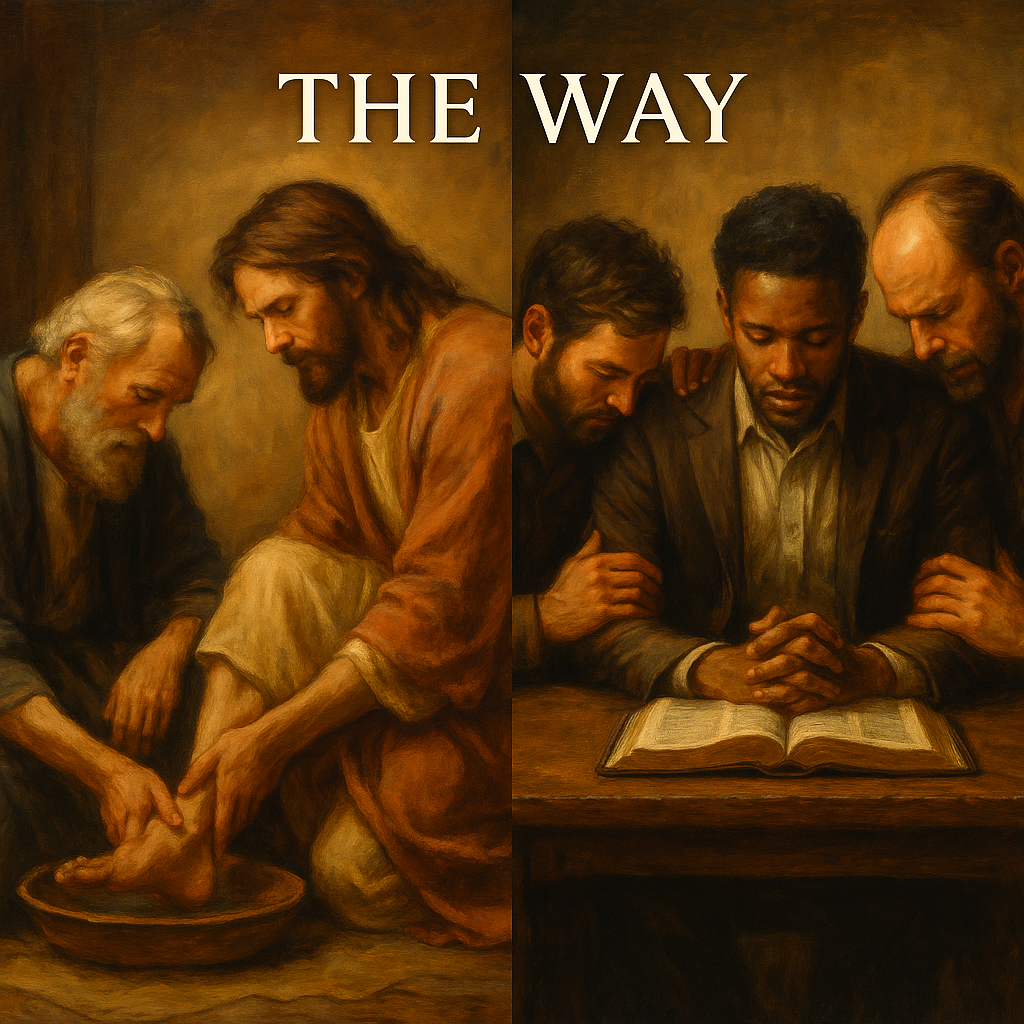
Leading God’s Way Means Equipping Others
Paul’s theology of spiritual gifts (Eph. 4:11–12) is the biblical blueprint for leadership development:
“Equip the saints… build up the body… until we all reach unity and maturity.”
This means Christian leadership is inherently:
- Reproductive – leaders develop leaders (2 Tim. 2:2)
- Collaborative – ministry is shared, not centralized
- Formational – discipleship is the goal
- Mission-driven – aligned to God’s redemptive plan
This counters the modern temptation toward celebrity leadership. In God’s economy, no leader is the hero — Christ is.
The task of the Christian leader is not to accumulate followers but to cultivate disciples who will themselves lead.
Integrating Leadership Theories Through a Christian Lens
Leadership theories (traits, skills, transactional, transformational, systems theory, LMX) each offer insights. But they must pass through a theological filter.
Trait and Skills Theory
Helpful because God uses personality, gifts, and skill development.
Incomplete because God often calls unlikely leaders whose “traits” do not predict impact.
Situational & Contingency Theory
Biblical — God’s leaders often adapt to context (e.g., Paul becoming “all things to all men”).
But Christian leadership does not shift its ethics with the situation.
Transformational Leadership
Highly compatible with Christlikeness — shared vision, inspiration, moral elevation.
Yet Christian transformation comes from the Holy Spirit, not charisma.
Servant Leadership
The most aligned with Scripture.
Yet it must avoid becoming soft or directionless; Jesus served but never surrendered mission or truth.
My Integration
A Christian leadership philosophy must hold three tensions:
- Identity — who the leader is in Christ
- Mission — what God has called the leader to accomplish
- Formation — how God is shaping followers through the leader’s influence
Leadership that ignores any of these becomes secular management dressed in Christian language.
