


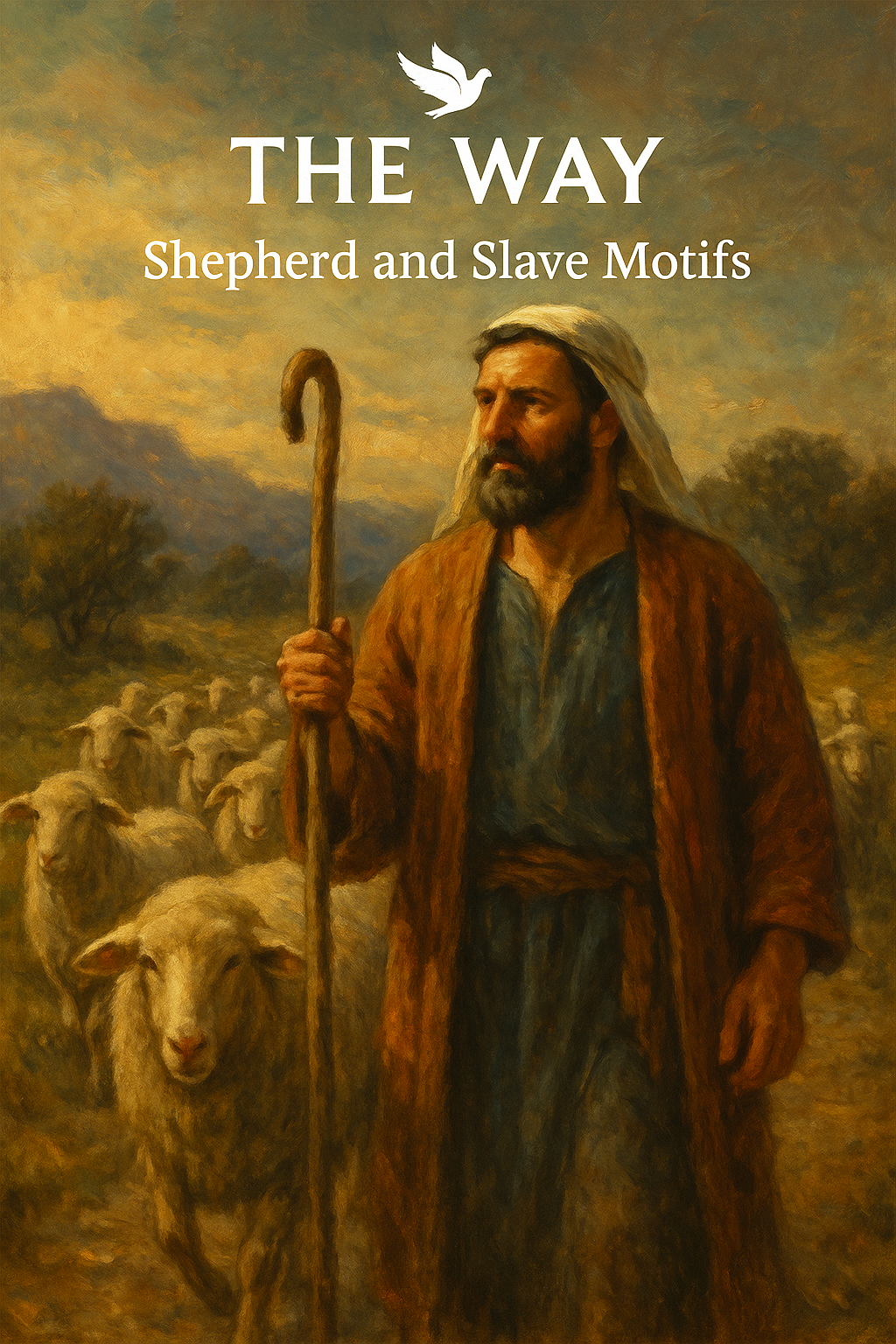
The Shepherd and the Slave: Two Faces of One Calling
Across Scripture, God reveals Himself through images that bring leadership and devotion into sharp focus. Among these, two stand out—the slave and the shepherd. Each embodies a paradox: power through submission, and greatness through service. For modern Christian leaders, these motifs hold enduring lessons for character, care, and calling.
The Slave Motif – A Call to Total Devotion
In biblical thought, the word slave (Greek doulos) carries a range of meanings—from servant to bondman—but its essence is surrender. The slave of Christ belongs entirely to the Master. Paul identifies himself this way repeatedly (Rom 1:1; Phil 1:1), not to express humiliation but complete allegiance.
Historically, Roman slavery represented total ownership; yet the gospel subverted that reality. When Christ redeemed humanity, He purchased those who believe, transferring them from bondage to sin into joyful slavery to righteousness (Rom 6:18; Gal 5:1). The believer’s freedom is paradoxical: we are freed from sin to serve Christ.
Michael Harris (1999) explains that early believers understood slavery as “a title of exquisite honor” describing accredited representatives of the risen Lord. To be Christ’s slave is to participate in His mission—living under divine authority, not human ambition.
Today’s Christian leader, whether pastor, teacher, or parent, is likewise called to a posture of willing servitude. Leadership is not self-promotion but self-abandonment: the joy of yielding one’s will to the One who owns all. The modern world prizes autonomy; Scripture prizes obedience. Christian leadership redefines success as faithfulness to God’s call rather than control over others.
The Shepherd Motif – A Call to Compassionate Oversight
Where the slave motif emphasizes submission, the shepherd highlights care and responsibility. From Genesis to Revelation, God is portrayed as the Shepherd of His people (Ps 23; Isa 40:11; Jn 10:11). Shepherding was a demanding vocation requiring watchfulness, courage, and patience.
Moses and David—both literal shepherds before leading Israel—mirror this divine pattern. God trained them in solitude among sheep before entrusting them with souls. A shepherd learns each animal’s voice and weakness; likewise, a godly leader learns the stories, needs, and wounds of the people he serves.
Jesus called Himself the Good Shepherd who “lays down His life for the sheep” (John 10:11). His staff symbolizes both authority and protection: authority to guide, and protection to defend. In leadership terms, shepherding means cultivating trust, ensuring nourishment, and providing spiritual rest for those under one’s care.
Peter applies this metaphor to pastors and elders: “Shepherd the flock of God that is among you… not domineering but being examples to the flock” (1 Pet 5:2-3). The shepherd leads not by command but by compassionate example. Authority in the Kingdom flows from authenticity.
