


Theological Unity of the Two Motifs
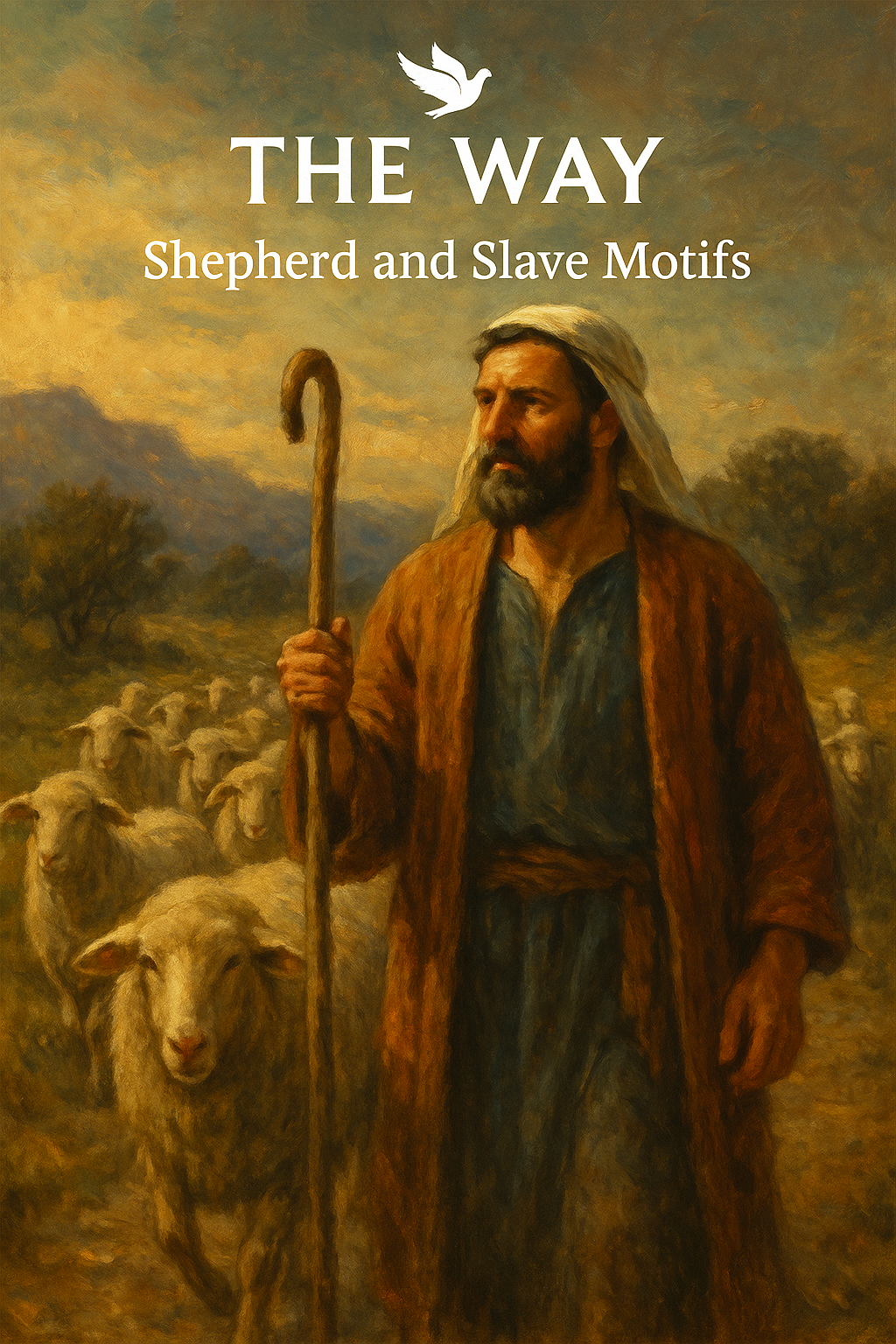
The shepherd and the slave are not opposites—they are complements. The leader as shepherd serves others; the leader as slave serves Christ. One governs outwardly, the other submits inwardly. Together, they form the two pillars of Christian leadership: devotion and direction.
In practice, every believer is both shepherd and slave. Parents shepherd children; employers shepherd employees; teachers shepherd students. Yet all do so as slaves of Christ—answerable first to Him. This theological tension safeguards humility: leaders cannot become tyrants when they remember they themselves are owned.
The motifs also echo the Christological pattern of Philippians 2: though in very nature God, Jesus took on “the form of a slave” (doulos), humbling Himself to death. The Incarnate Shepherd became the Servant of all. In this union of strength and surrender, Christian leadership finds its model.
Contemporary Relevance: Servant Leadership Reimagined
In an age obsessed with influence, the slave and shepherd motifs challenge our assumptions. Corporate leadership often celebrates charisma; biblical leadership celebrates character. Social media rewards visibility; Scripture rewards faithfulness.
To embody these ancient images today is countercultural. The slave of Christ resists ego-driven ministry and practices obedience, stewardship, and accountability. The shepherd-leader resists neglect or authoritarian control and instead pursues empathy, patience, and presence.
In the local church, this might mean slowing down to listen to the hurting; in education, mentoring the struggling student; in civic life, leading ethically even when it costs popularity. Each act of humble service participates in God’s redemptive order.
