


Educational Leadership Series — The Way Bahamas
Parents bring their lived experiences—sometimes painful—into the schoolhouse. In this feature, I explore how stereotype threat, racial profiling, and cultural memory shape parental expectations of teachers, and how Caribbean educators can respond with empathy, cultural competence, and leadership.
Introduction — A Conversation Behind the Conversation
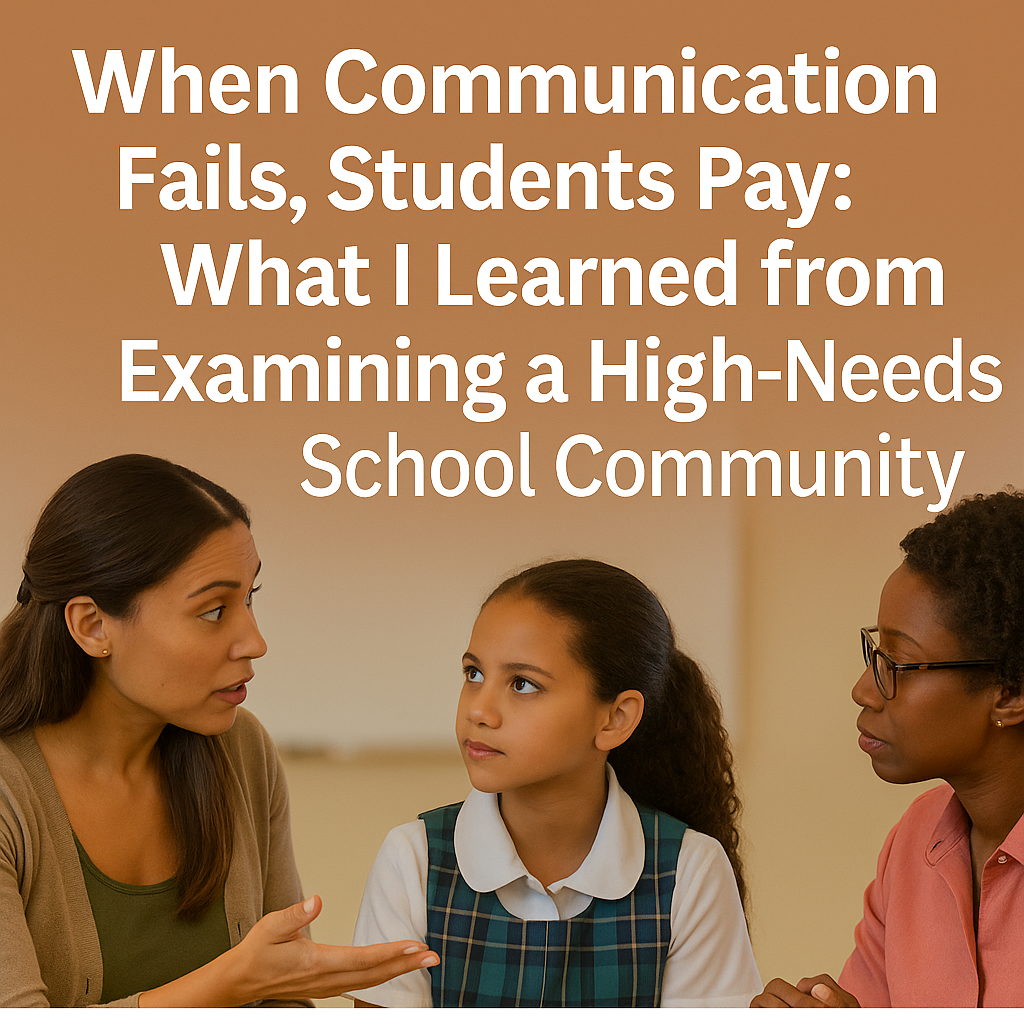
When I first examined this case study, what struck me most was the power of a single parental story. During a classroom conference, a mother described an early childhood experience of being racially profiled while shopping with her own mother. Although years had passed, the emotional residue of that moment—shame, confusion, and the need to remain silent—followed her into adulthood.
Now raising her daughter, she channels those memories into three essential life lessons:
- Stand up for what is rightfully yours.
- Manage your emotions even when others demonstrate bias.
- Develop emotional intelligence to navigate prejudice and conflict.
As I reflected on this exchange, I realized that these lessons form part of what many minority households teach as an unspoken curriculum—a set of survival strategies meant to prepare children for a world that may not always see them clearly.
In The Bahamas and across the Caribbean, similar narratives echo within families of Haitian descent, Jamaican migrants, Latin American newcomers, inner-city communities, and mixed-heritage households. These experiences shape not only how parents view society, but also what they expect from schools and teachers.
