


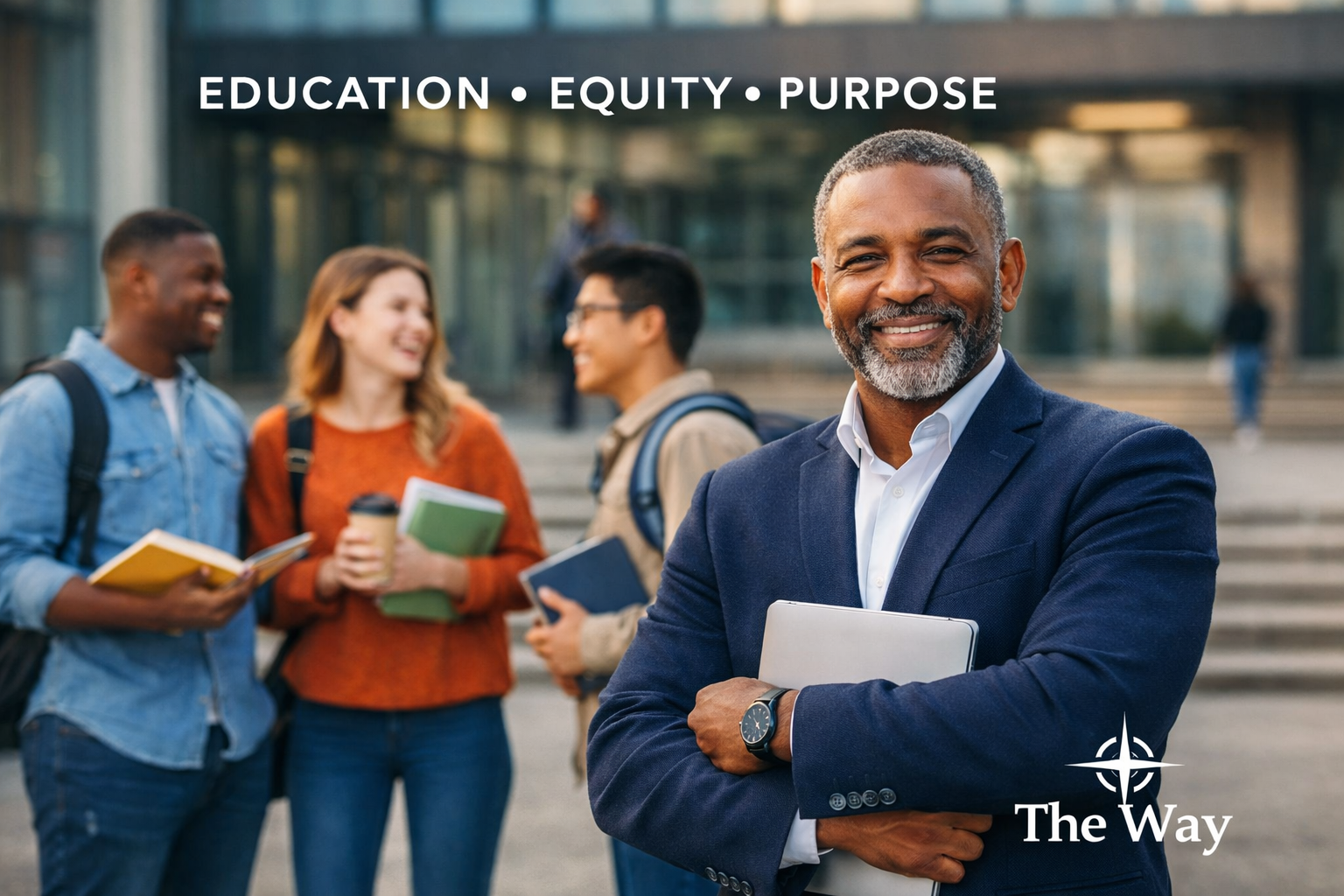
By Dr. Kevin A. Hall
As an educational leader, I am often asked a question that continues to shape policy, parenting decisions, and student aspirations alike: Is college still worth it?
This is not just an economic question—it is a leadership question. It is about vision, access, equity, and long-term outcomes for the next generation.
From my perspective, and supported by extensive research, the answer is clear—but nuanced.
The Promise of Higher Education
I have observed that students pursue higher education with hope—hope for stability, opportunity, and a better future. That hope is not misplaced.
Research consistently shows that earning a college degree significantly enhances long-term employment outcomes. Graduates are more likely to secure stable jobs, earn higher wages, and develop essential skills such as critical thinking, leadership, and problem-solving.
In my own leadership journey, I have seen firsthand how education transforms individuals—not just economically, but intellectually and socially. A degree is not merely a certificate; it is a developmental process that builds capacity.
Employers today are not simply looking for workers—they are looking for thinkers, innovators, and leaders. A college education, when pursued intentionally, cultivates exactly that.
But we must be honest—this pathway is not equally accessible to all.
