


From Azusa to Nassau: The Legacy of Haywood and the Continuing Apostolic Witness in The Bahamas
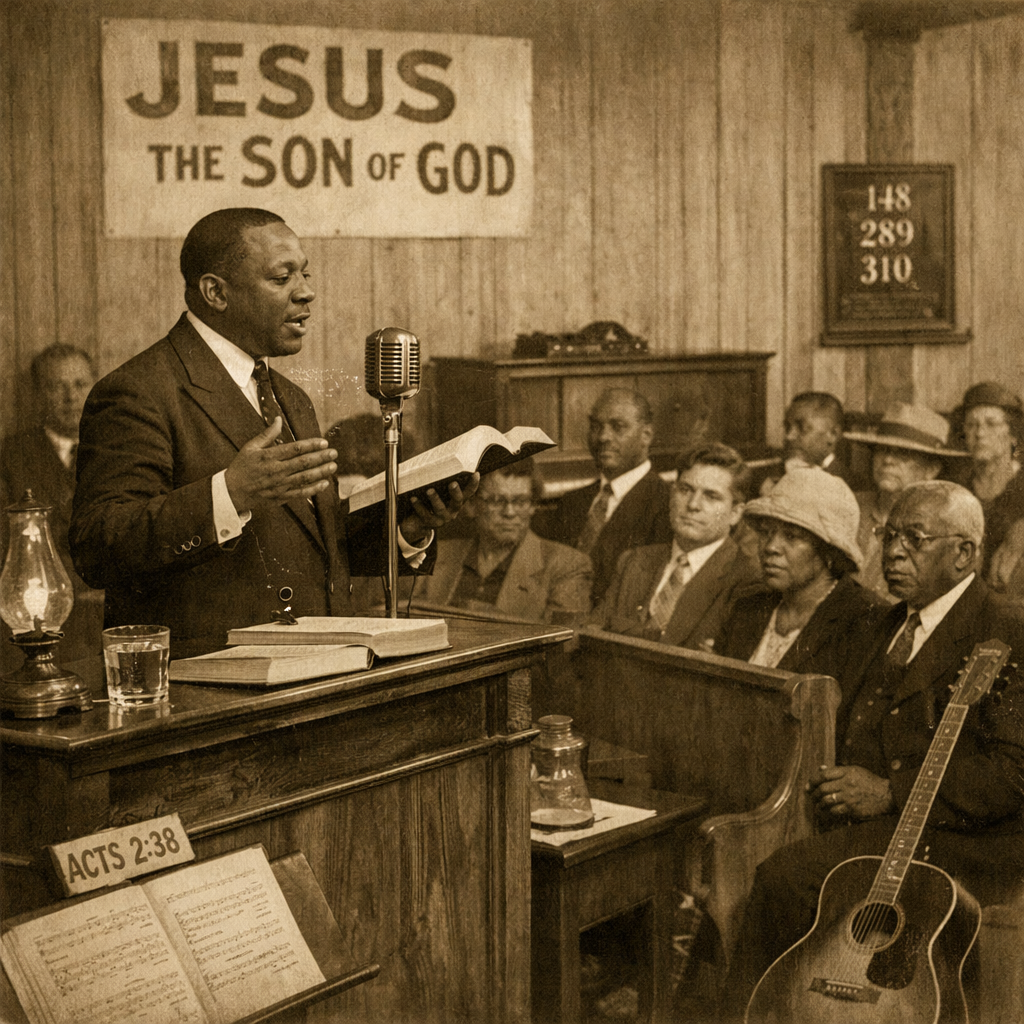
There is an image that lingers in my mind when I think about early Pentecostal history.
A young Black student in the early 1900s, educated in segregated America, who would grow up to become a bishop, a theologian, a hymn writer, and a national leader in one of the earliest interracial Pentecostal fellowships in America.
His name was Garfield Thomas Haywood.
Born in Indianapolis in 1880, Haywood matured in the shadow of post-Reconstruction segregation. Racial hierarchies were deeply embedded. Social ceilings were real. Opportunities were limited.
Yet what marginalization tried to restrict, formation strengthened.
Haywood was intellectually curious and spiritually serious. Before Pentecostalism reshaped his theological trajectory, he served in Baptist contexts. He was musically gifted, artistically expressive, and unusually organized. He wrote dozens of hymns. He produced doctrinal charts to explain biblical truth visually. His faith was not emotional excess — it was structured conviction.
