


THE WAY: TEEN TALKS
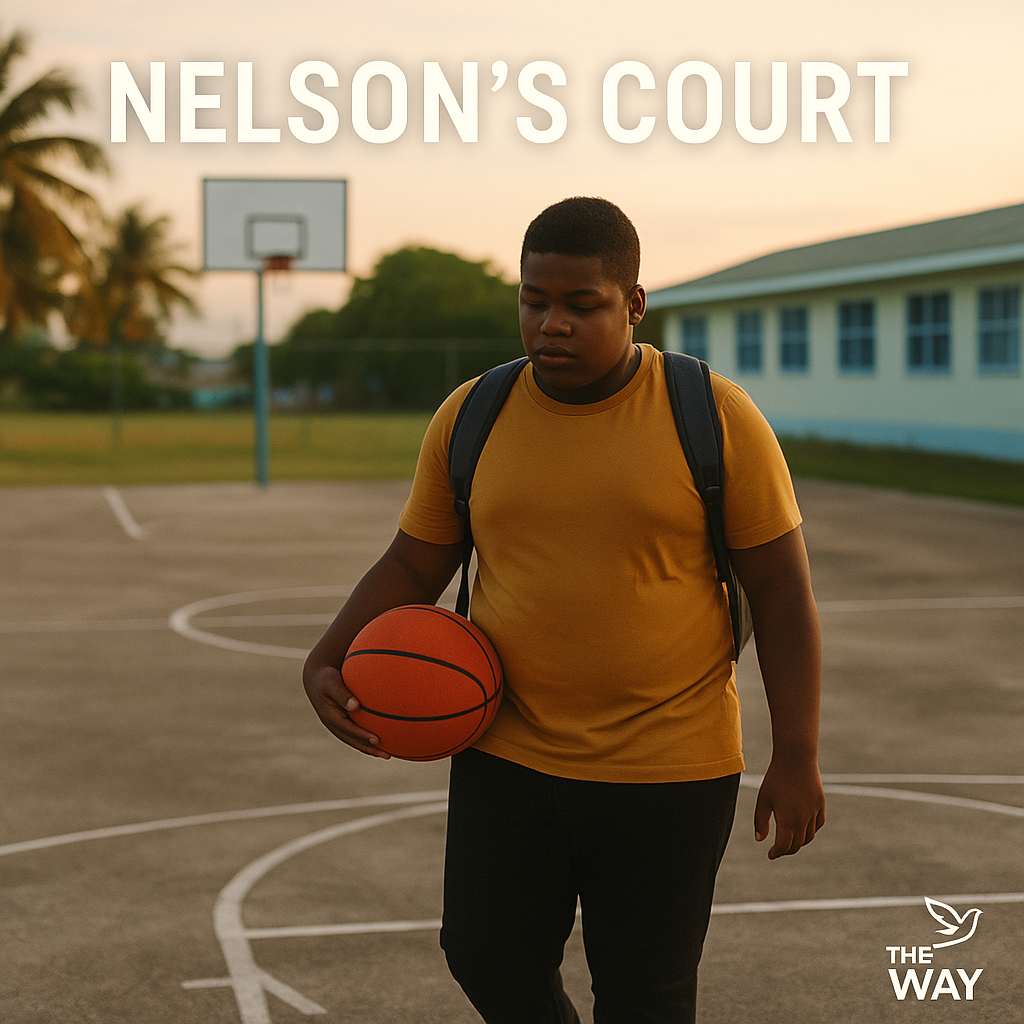
Nelson’s story is more than one boy’s struggle with teasing on the basketball court — it’s a reflection of what many students across The Bahamas face every day. He represents the quiet ones: bright, respectful, and full of potential, yet hidden beneath the weight of words that wound.
Beneath his silence are questions about belonging, identity, and worth — questions that countless teens ask but rarely voice. When laughter becomes a weapon, school becomes a place of survival, not growth.
What the Research Shows
- Identity-Based Bullying and Self-Image
Studies confirm that youth of colour who experience bullying related to identity (skin tone, ethnicity, or appearance) are at higher risk of depression, anxiety, and diminished self-esteem. Nelson’s dark complexion and size make him especially vulnerable in a peer culture that prizes appearance and athletic dominance. ([MMHPI, 2023][1]) “Youth of colour are at higher risk of being the victim of bullying… identity-based bullying may have more deleterious effects on mental health relative to general bullying.” - Psychological Impact of Bullying
Bullying isn’t “just school life.” A survey of over 95,000 students found that victims of bullying were significantly more likely to show symptoms of anxiety, depression, and post-traumatic stress. ([arxiv.org, 2023][2])
For Nelson, that daily mockery shapes not only his confidence but his classroom participation, friendships, and long-term academic motivation. - Bahamian Context: Current Gaps and Efforts
The Bahamian government provides Student Counselling Services for referrals, family support, and crisis intervention. ([Bahamas Government, 2024][3])
In addition, local schools and organizations have begun to address bullying directly:- A Character Day Bahamas workshop promoted emotional wellness, empathy, and anti-bullying tools for teachers. ([ZNS Bahamas, 2024][5])
- Schools have launched small anti-bullying campaigns and discussions during assembly periods. ([Bahamas Local News, 2023][4])
Still, many campuses — especially Family Island schools — lack on-site counsellors, leaving students like Nelson with few places to turn.
