


What Healing Looks Like in Schools
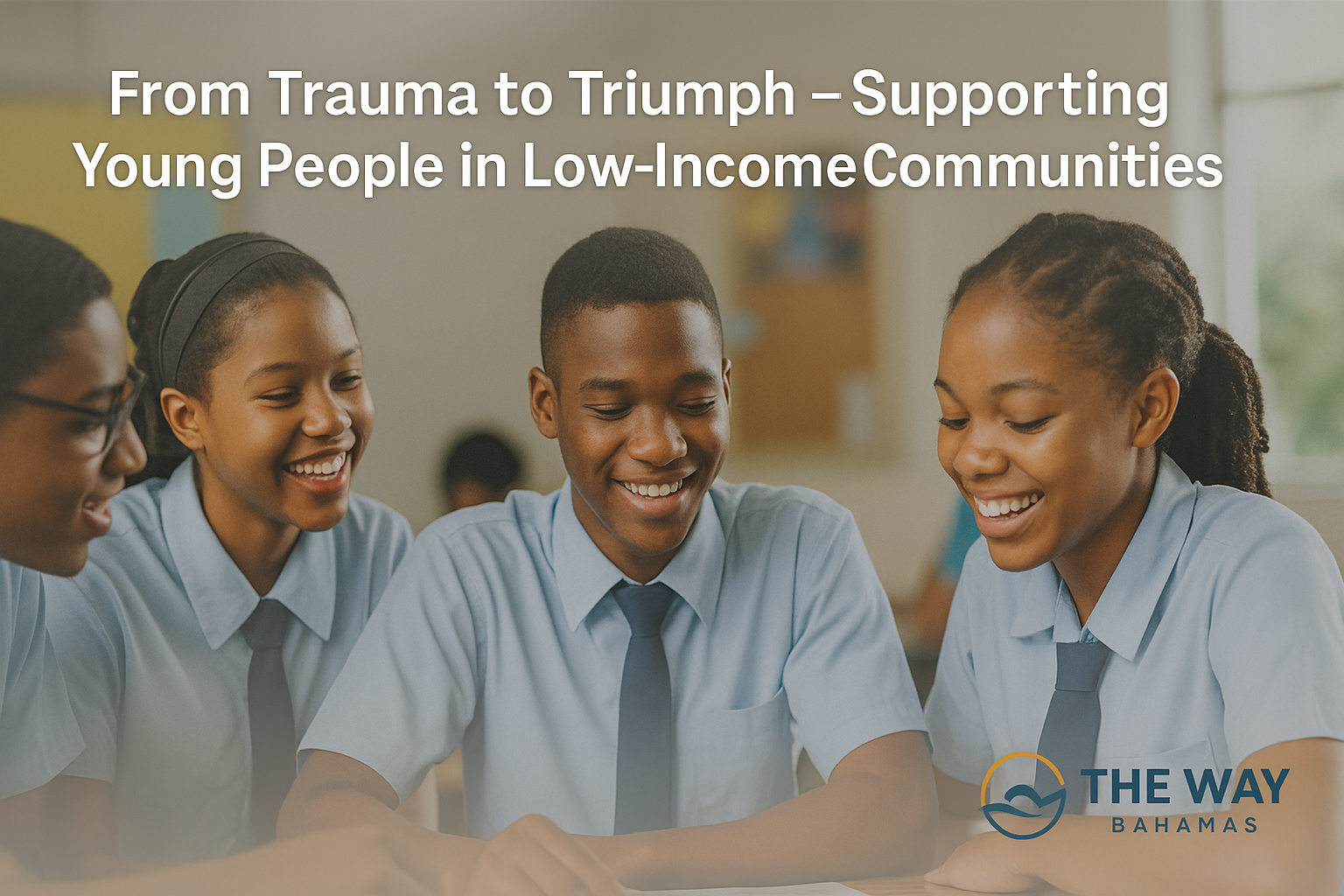
Across Bahamian communities, stories like Marvin’s show that healing begins when schools become safe, consistent, and caring spaces. Research on trauma-informed education confirms that the brain can recover from early stress if a child experiences stable, nurturing relationships and predictable environments.
For our schools, that means:
• Creating calm and predictable classrooms.
• Replacing punishment with restoration.
• Training educators to recognize signs of trauma.
• Encouraging mentorship.
• Partnering with support services.
Evidence and Local Context
Post-pandemic reports from the Ministry of Education and organizations such as the Bahamas Feeding Network and Urban Renewal 242 highlight how community partnerships are critical for improving attendance and academic performance in low-income areas.
Data from the Inter-American Development Bank (2024) found that students in schools with access to breakfast programs and psychosocial support demonstrated higher retention and better BJC scores than peers without such services. This mirrors global findings from the Harvard Center on the Developing Child: when basic needs and emotional stability are met, learning capacity increases dramatically.
