


From Identification to Intervention
Being trauma-aware is no longer enough. Our challenge now is to move from awareness to coordinated action:
• School leaders must allocate time and training for teachers to integrate social-emotional learning.
• Government and NGOs should expand neighborhood hubs that combine food aid, homework support, and counseling.
• Faith-based groups can host resilience workshops for parents and children.
• Teachers can model calm and hope daily — small acts that rewire a child’s sense of safety.
Call to Action
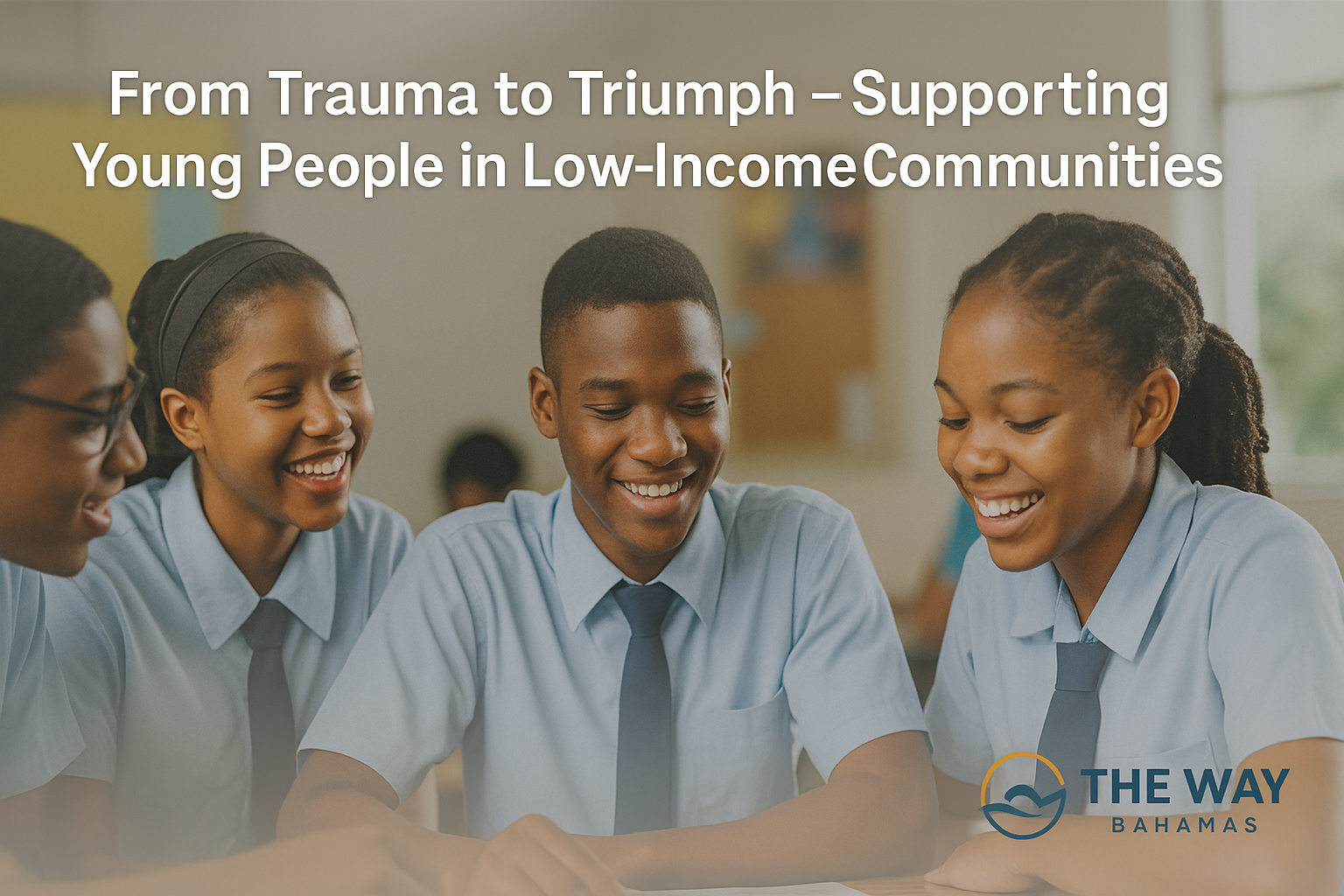
If Keri’s story reminded us of the weight some students carry, Marvin’s reminds us of the power of community to lift that weight. From Bain Town to Inagua, every school can become a healing space—if we commit to seeing the child beyond the grade sheet.
Let’s move from identifying trauma to cultivating triumph—one student, one classroom, one community at a time.
Sources & Further Reading
1. Burke Harris, N. (2020). The Deepest Well: Healing the Long-Term Effects of Childhood Adversity.
2. UNICEF Bahamas (2023). Education Recovery Brief.
3. Ministry of Education (Bahamas). Learning Loss Assessment Report. (2024)
4. Harvard Center on the Developing Child (2022). Building Resilience in Children and Youth.
5. Urban Renewal 242 & Bahamas Feeding Network (2024). Community Support and School Attendance Initiative.
Written by Dr. Kevin Hall | The Way Blog | Bahamas
