


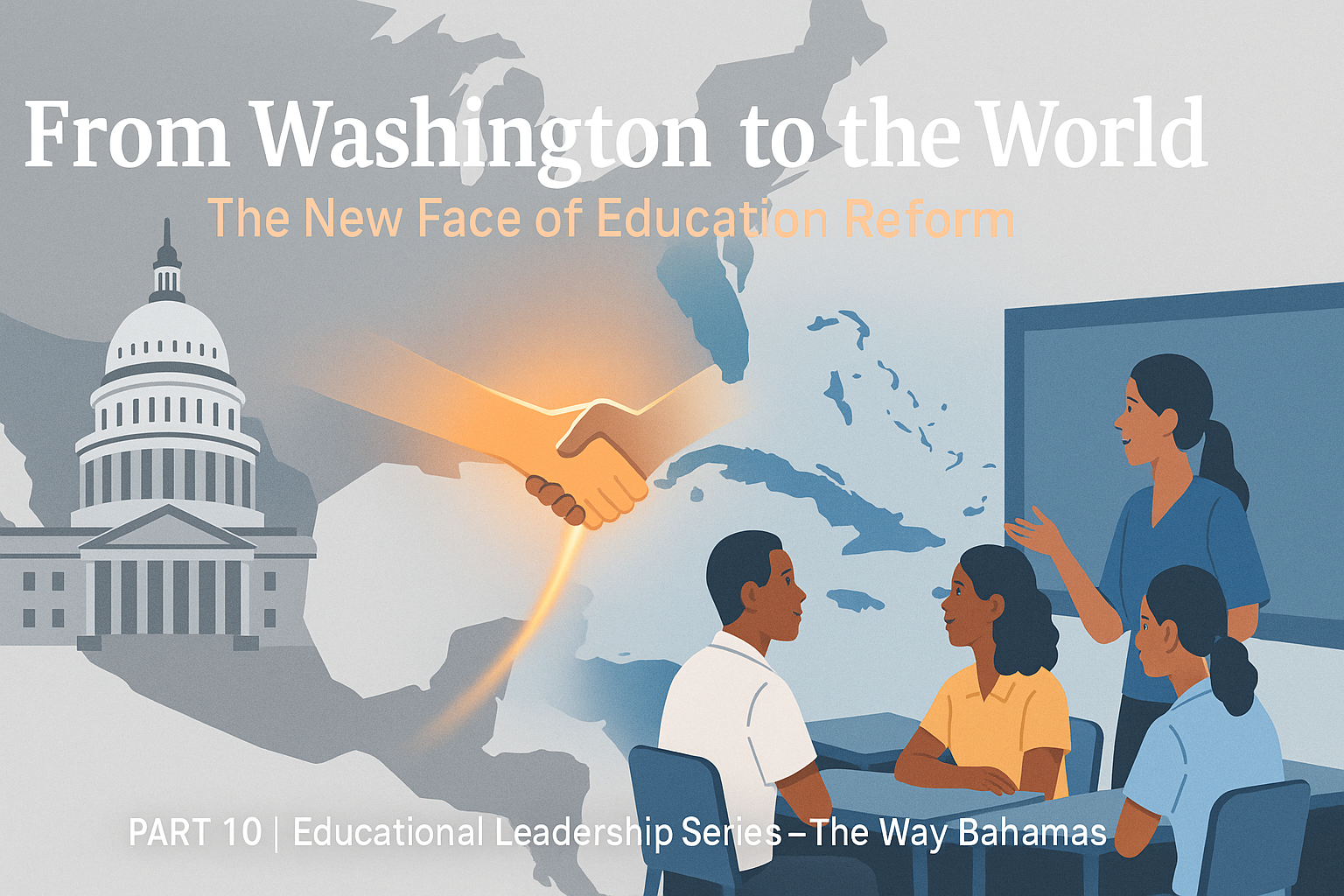
A New Era for the United States
The shakeup of the U.S. Department of Education has sent ripples across the nation.
As President Trump promised during his campaign, “We want [the states] to run the education of our children because they’ll do a much better job of it”.
While eliminating a federal department may prove politically challenging, the underlying shift toward state autonomy and school choice is real and accelerating.
- Funding Direct to States: More education dollars are now managed locally, enabling tailored responses to unique regional needs—from urban charter networks to rural Title I schools.
- Rise of School Choice and Vouchers: Families can increasingly decide where their children learn, including private, charter, or faith-based schools.
- Modern Learners, New Models: As Education Dynamics (2024) notes, this is the “Era of the Modern Learner,” marked by micro-credentials, apprenticeships, and career pathways beyond traditional degrees.
In short, U.S. education is decentralizing—driven by economic reality, demographic change, and political will.
The Upside: Flexibility and Innovation
Proponents argue this model empowers states to innovate. States can:
- Design context-specific curricula.
- Partner with local industries to meet labor needs.
- Support community colleges and online learning aligned with economic goals.
- Expand scholarship and voucher systems to close opportunity gaps.
It’s a “bottom-up” approach—and for some states, especially those with diverse populations, it’s working.
