


REFLECTION AND RESPONSE
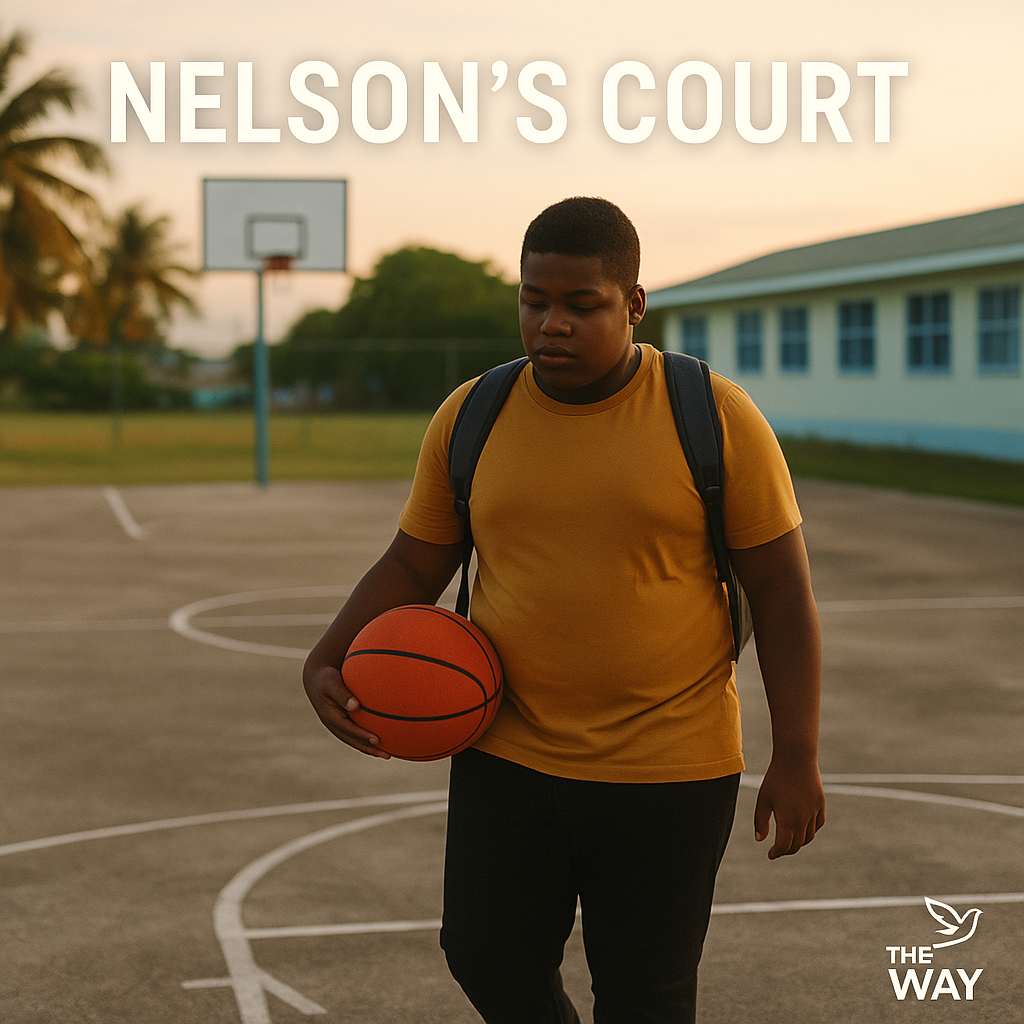
Every classroom has a Nelson. Quiet. Respectful. Bright. But fighting battles we don’t always see.
Research shows that students who face appearance-based teasing or exclusion — especially around body image, color, or class — are more likely to experience depression, isolation, and poor school engagement. These are not small issues; they shape the whole child.
In The Bahamas, bullying often takes subtle forms:
• Teasing about looks, skin tone, or size.
• Exclusion from peer groups or team sports.
• Verbal humiliation in front of classmates.
What the Research Says
1. Identity-Based Bullying — Global studies, including those referenced by UNICEF and the Ministry of Education, note that bullying rooted in identity (appearance, race, or social class) produces long-term harm on students’ emotional wellbeing and academic motivation.
2. Local Realities in The Bahamas — Many Bahamian public schools operate without full-time guidance counsellors, especially on the Family Islands. This leaves students like Nelson without emotional support systems. The Ministry’s Student Counselling Services can assist, but schools must initiate referrals. Recent Character Day Bahamas workshops and anti-bullying campaigns are helping teachers identify and respond to bullying earlier.
3. The Role of Teachers and Coaches — Research and regional best practices suggest that trusted adults — teachers, coaches, administrators — are the most effective line of defense. The difference between despair and resilience often comes down to one caring voice that says: “I see you.”
