


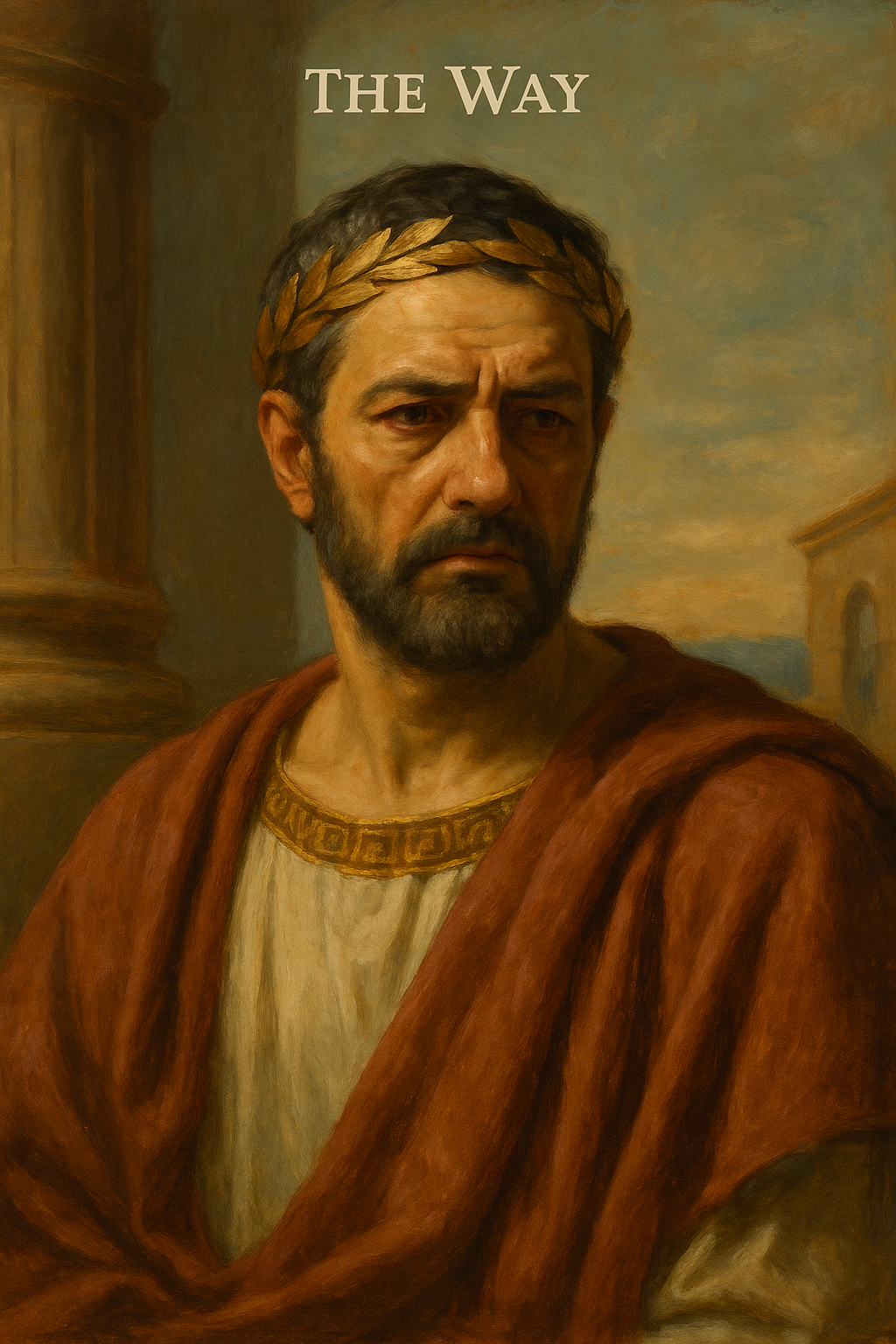
🕊️ The Way | Christian Leadership & Theology Series
Scripture Focus: Matthew 27:11–26; John 18:28–19:22; Luke 23:1–25
Approximate Date: Governor of Judea A.D. 26–36 under Emperor Tiberius
Historical Context: Roman Prefecture in Judea; period of intense political tension and religious unrest.
A Leader Trapped Between Truth and Pressure
Pontius Pilate entered Judea as Rome’s appointed governor (praefectus), answerable directly to Tiberius Caesar. Charged with maintaining peace and collecting taxes, he ruled from Caesarea Maritima but frequently visited Jerusalem during festivals—times of both devotion and danger.
He was no stranger to controversy. Historical accounts (Josephus, Philo) describe him as harsh, often insensitive to Jewish customs. Early in his tenure, he provoked outrage by bringing imperial shields and standards into Jerusalem—a direct affront to Jewish law. Yet he remained cautious, knowing one riot could end his career.
When Jesus of Nazareth was brought before him, Pilate faced more than another provincial dispute. The charges—claiming kingship and inciting rebellion—put him in political peril. A wrong verdict could brand him disloyal to Caesar; a right one, unpopular with the crowd.
“So then you are a king?” Pilate asked. Jesus answered, “You say that I am a king. For this reason I was born and came into the world: to testify to the truth.” (John 18:37)
Pilate’s question still echoes through time: “What is truth?” (John 18:38)
