


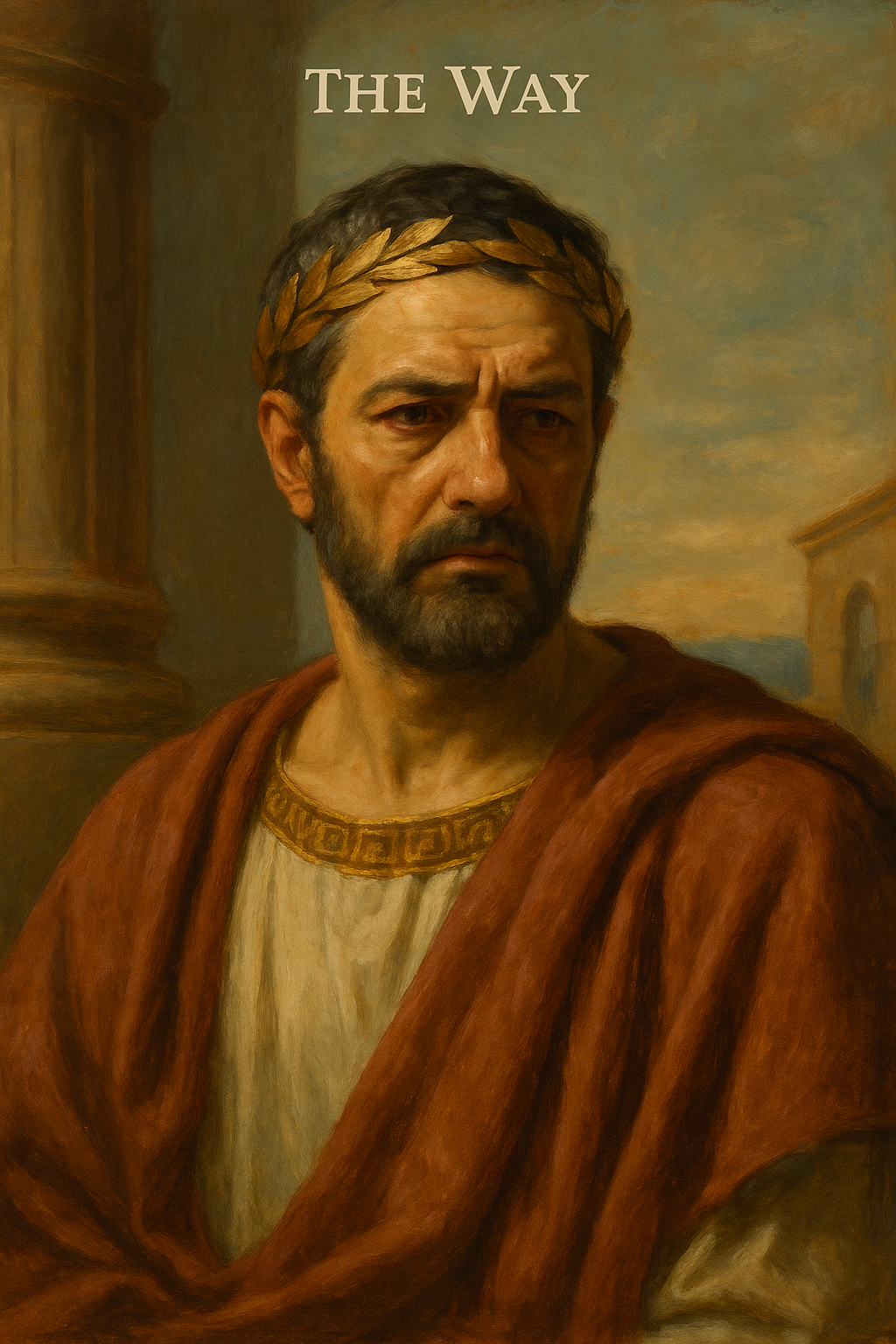
Empire, Politics, and Public Pressure
Judea was a volatile province—nationalist zeal collided with Roman occupation. Pilate’s primary mandate was order at any cost. He was governor by Roman authority, not by moral mandate.
According to Josephus (Antiquities 18.55–89), Pilate’s record was marred by brutality—appropriating temple funds, executing protesters, and suppressing dissent without mercy. Yet Rome valued results, not righteousness. Pilate’s loyalty was to Caesar first, justice second.
When faced with Jesus, he found no fault in Him. Multiple times he declared, “I find no basis for a charge against this man” (John 18:38; 19:4, 6). Even his wife sent word: “Have nothing to do with that righteous man, for I have suffered much because of Him today in a dream” (Matt. 27:19).
But the crowd shouted louder: “If you let this man go, you are no friend of Caesar!” (John 19:12).
It was a political trap Pilate could not escape. To save himself, he condemned innocence. He symbolically washed his hands before the crowd (Matt. 27:24), a gesture of cowardice masquerading as conscience.
