


Truth on Trial
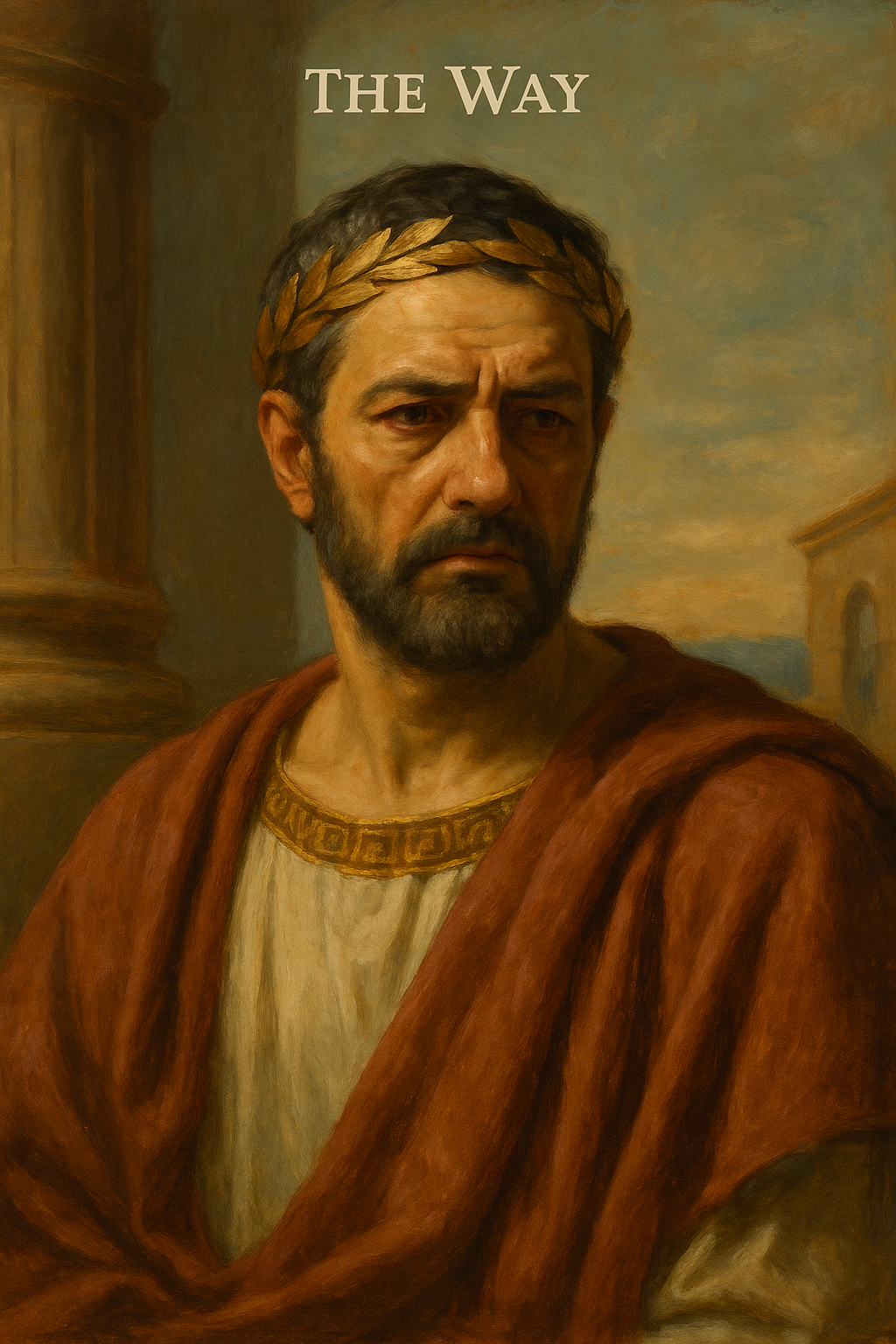
In Pilate’s praetorium, truth and power stood face to face. Rome’s justice system—revered for law and order—convicted the only sinless man in history. Yet even Pilate’s injustice became a vessel for divine redemption.
Jesus’ death under Pilate fulfilled prophecy (Acts 4:27–28), ensuring that the cross would be a Roman instrument of execution and a universal symbol of salvation. What looked like the victory of empire was the vindication of truth.
The inscription Pilate ordered—“Jesus of Nazareth, King of the Jews”—was mockery to the priests, but heaven’s proclamation to the world. Even his attempts to distance himself from guilt made his culpability permanent: the Apostles’ Creed forever names him as the one “under whom He suffered.”
