


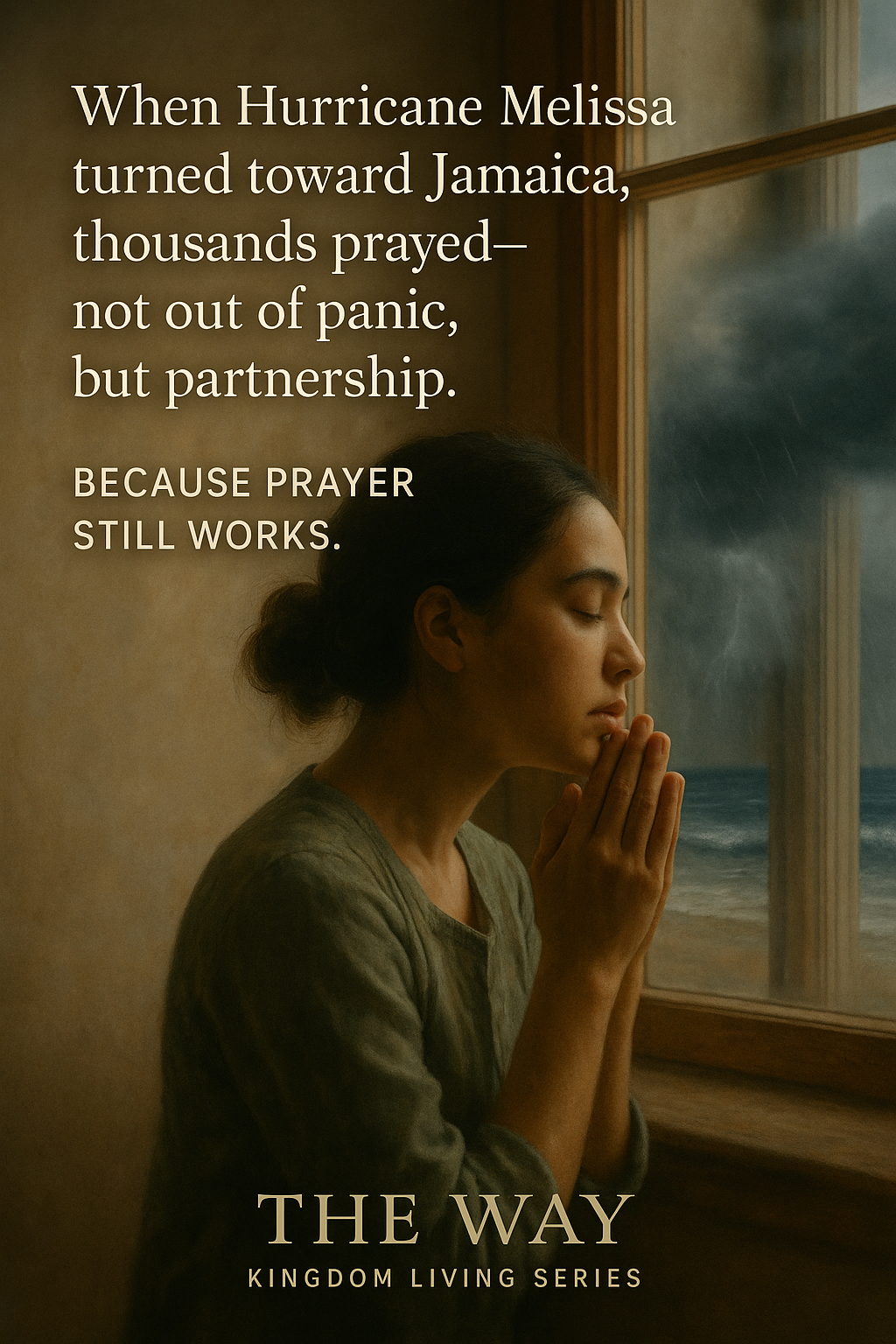
What Is Prayer—and When Did It Begin?
The first mention of prayer appears early in Scripture: “At that time, people began to call on the name of the Lord” (Genesis 4:26). Humanity, separated by sin, longed for the God they had once walked with face to face. Prayer became the bridge—our conversation with Heaven’s King.
Throughout Scripture, prayer reveals relationship, not religion.
When Abraham stood before God over Sodom, he prayed boldly:
“Will You sweep away the righteous with the wicked? What if there are fifty righteous people in the city?” (Genesis 18:23–24)
He continued to reason with God until only ten remained. That wasn’t arrogance; it was kingdom negotiation—a citizen interceding with his King.
Moses pleaded for mercy after Israel’s rebellion.
Hannah poured out her heart for a child.
David prayed, “Create in me a clean heart, O God.”
Prayer was always personal—an invitation for God’s rule to invade human affairs.
Prayer Beyond Israel: When the World Reached for the Divine
Other cultures also prayed. The Babylonians, Egyptians, and Greeks built temples and altars, crying out to their gods for rain, health, and victory. They believed their rituals earned divine favor.
But here lies the difference: they prayed for reaction; Kingdom people pray for relationship.
Where the pagans sought to manipulate, Abraham and Israel prayed to align—to agree with Heaven’s will.
This is why Dr. Myles Munroe said, “Prayer is earthly license for heavenly interference.” It’s not forcing God’s hand—it’s inviting His kingdom into our conditions.
