


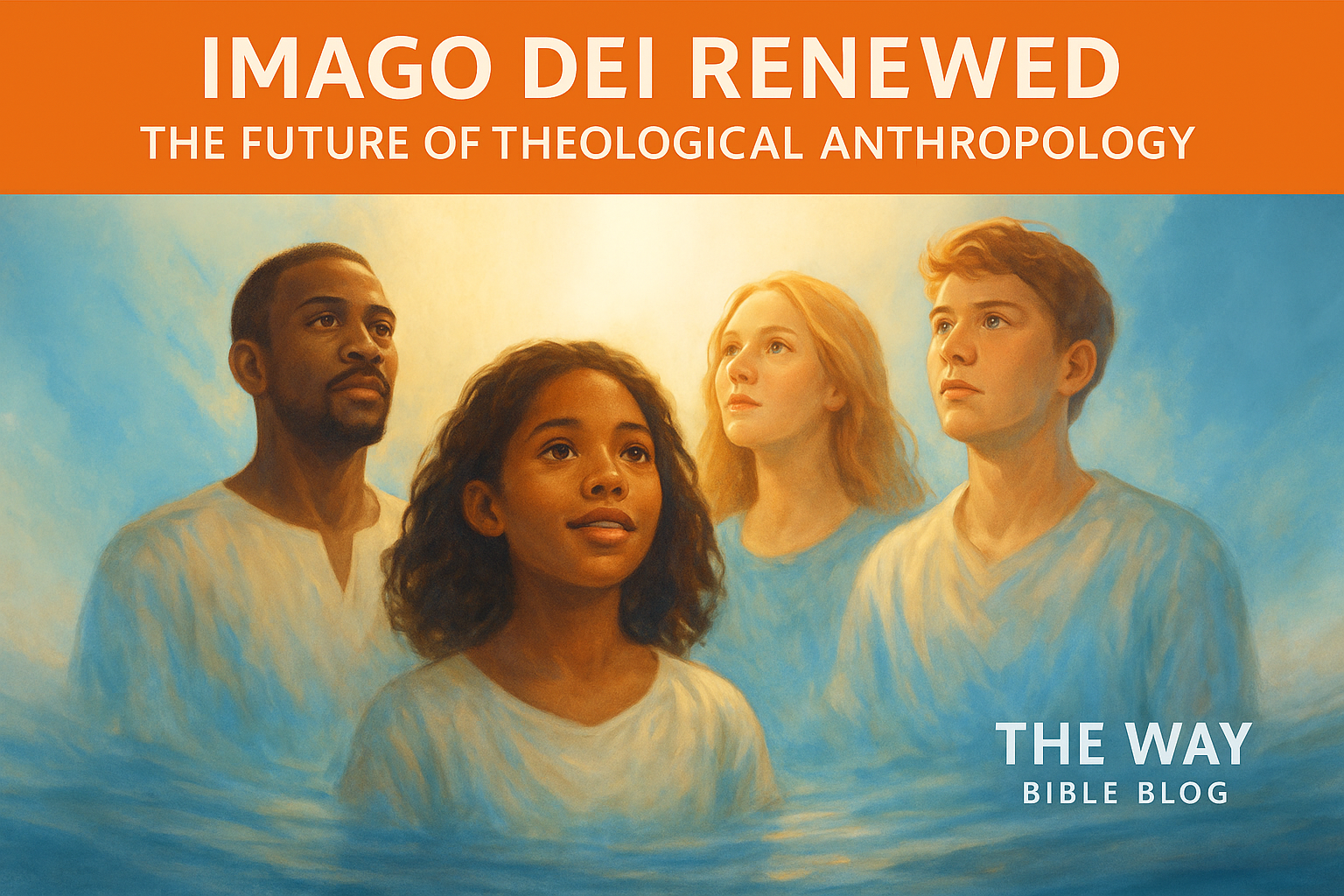
Implications for Leadership and Education
If humanity reflects God’s image, then education and leadership become sacred tasks. Bredfeldt (2006) notes that “teachers are the greatest influencers,” shaping not just minds, but entire generations.
Renewal of the mind (Romans 12:2) transforms Christian pedagogy — turning classrooms, pulpits, and boardrooms into sanctuaries of formation. Howell and Paris (2010) argue that theological anthropology prepares leaders to move “past misunderstanding toward real reconciliation and fellowship.” Christian education thus becomes a means of sanctification — forming Christlike character and cultural discernment in students.
Leadership as Image Restoration
Leadership development, according to McMaster (2013), involves internal (character), external (relationships), and divine (calling) processes. Each aligns with the restoration of Imago Dei — shaping leaders who model Christ’s humility, justice, and service.
Spiritual mentoring, discipleship, and imitation modeling (1 Corinthians 11:1) are practical avenues for this renewal. When leaders imitate Christ, they extend His image into their communities, bringing the light of redemption to every sphere of influence.
