


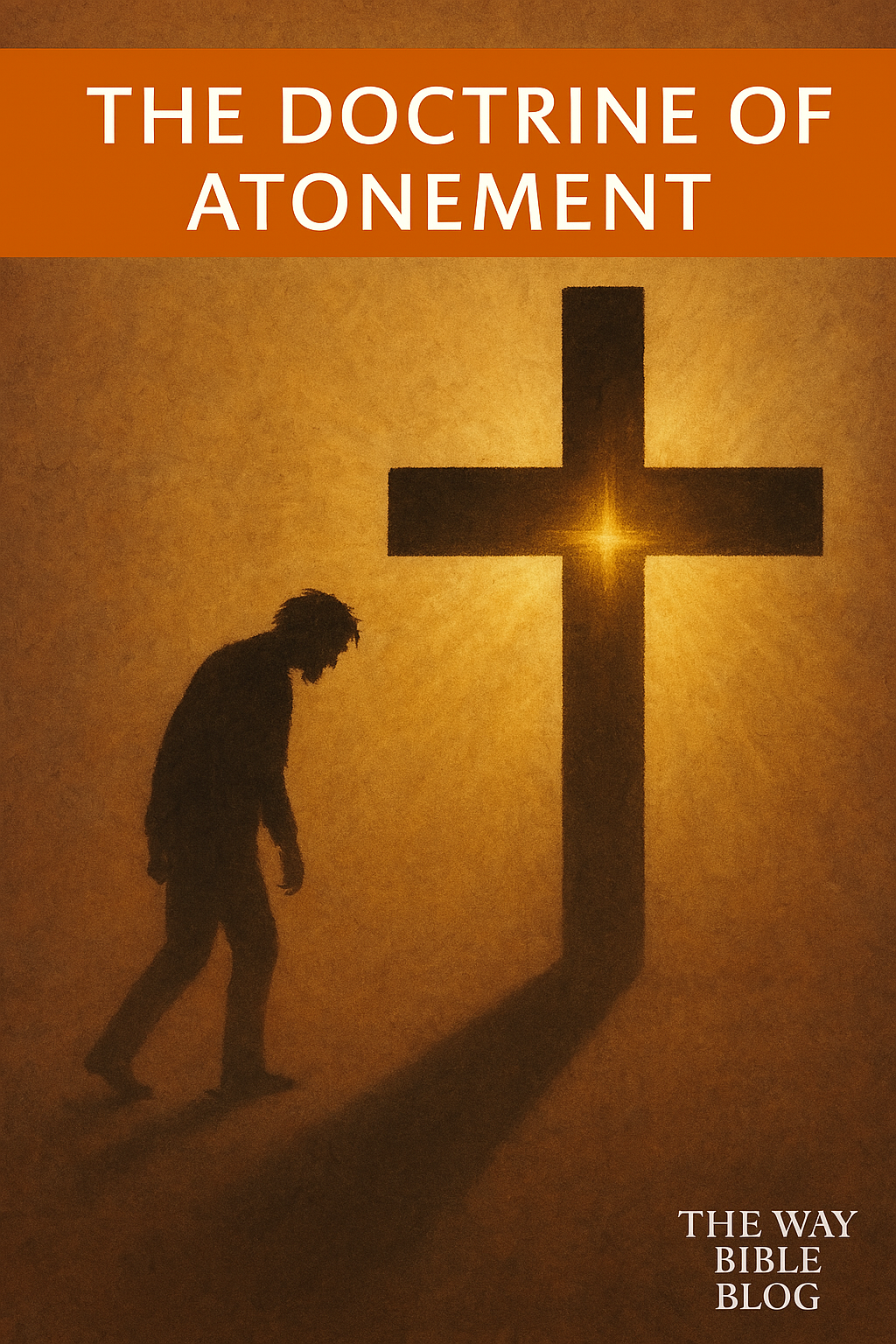
The Weariness of Empty Sacrifice
Through prophets like Isaiah and Hosea, God declared His dissatisfaction with sacrifices that lacked sincerity.
“I desire mercy, not sacrifice, and acknowledgment of God rather than burnt offerings.” – Hosea 6:6
“I have had enough of burnt offerings of rams… Bring no more vain offerings.” – Isaiah 1:11–13
The people had grown accustomed to ritual without repentance. Sacrifices were meant to express brokenness, not merely perform tradition. The tabernacle had become a place of transaction rather than transformation. God’s weariness of sacrifice revealed a deeper truth: the blood of animals could never truly remove sin (Hebrews 10:4). It was a shadow pointing toward a more perfect atonement — one that could not just cover sin but cleanse the sinner’s heart.
The Once-for-All Sacrifice
Enter Jesus Christ, the incarnate Son of God — “the Lamb of God who takes away the sin of the world” (John 1:29). The incarnation was God’s answer to humanity’s dilemma. The eternal Word became flesh (John 1:14) not just to teach, but to bleed.
Hebrews 9:11–12 declares: “When Christ appeared as a high priest of the good things that have come… He entered once for all into the holy places, not by the blood of goats and calves, but by His own blood, thus obtaining eternal redemption.”
At the cross, every image of atonement found fulfillment: Jesus became both the priest and the sacrifice. His blood became the true covering for sin. The torn veil (Matthew 27:51) signified the end of separation between God and humanity. In that single act, the centuries of ritual were completed — the shadow met its substance.
