


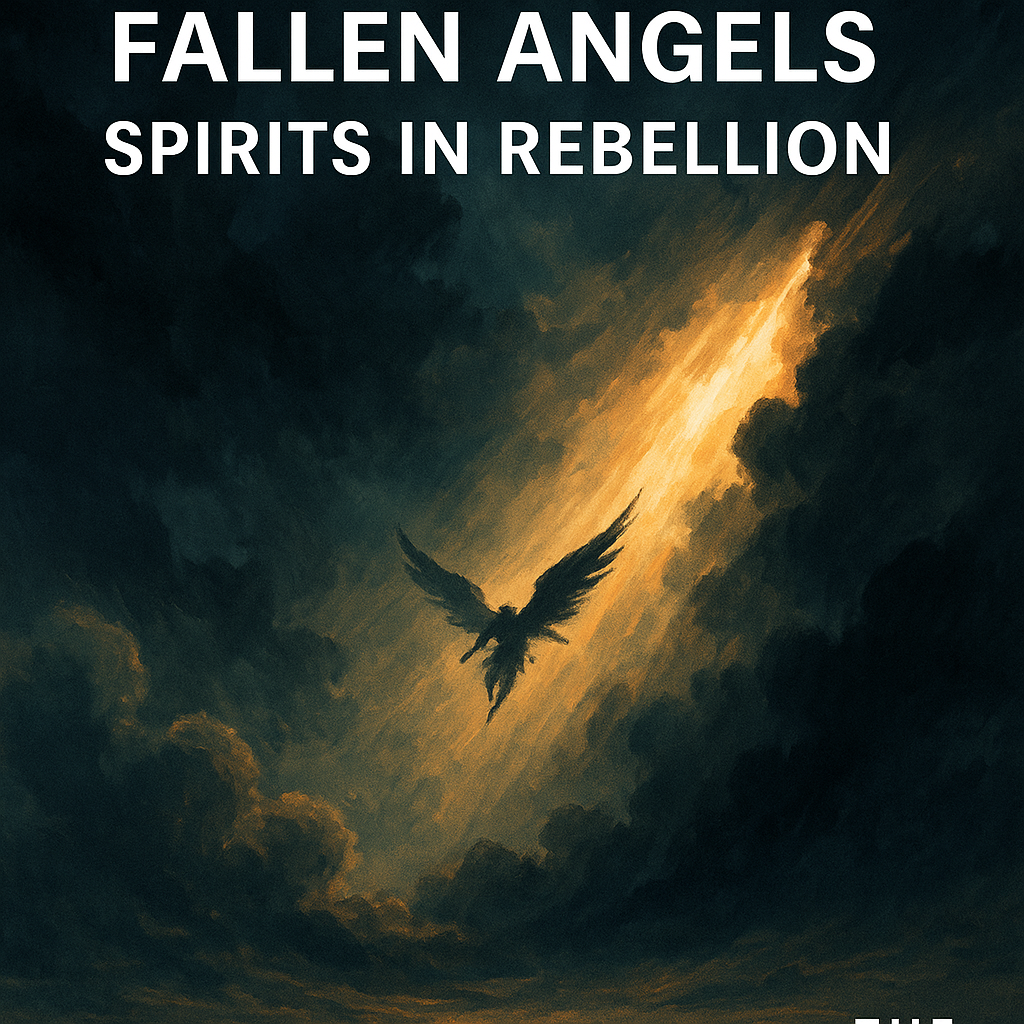
Theology of Possession and Deliverance
Scripture suggests demonic influence exploits vulnerability through rebellion or exposure to darkness. Believers cannot be possessed but may be oppressed (1 John 4:4). The early church used exorcism in catechesis; the Reformers emphasized prayer and Scripture. Erickson writes: ‘We must neither exaggerate nor dismiss their power; the victory has already been won through Christ.’
Reflection Questions
1. What distinguishes fallen angels from popular cultural depictions of ghosts or spirits?
2. How does Jesus’ authority over demons demonstrate the nature of His kingdom?
3. Why is understanding spiritual warfare essential for modern believers?
4. How can the church balance awareness of demonic reality with confidence in Christ’s victory?
References
- The Holy Bible (NASB): Genesis 19; Isaiah 14; Ezekiel 28; Luke 8; Ephesians 6; Revelation 12.
- Jack Cottrell, The Faith Once for All (College Press, 2002).
- Millard J. Erickson, Christian Theology, 3rd Edition (Baker Academic, 2013).
- Wayne Grudem, Systematic Theology, 2nd Edition (Zondervan, 2020).
- Augustine, City of God.
- C. S. Lewis, The Screwtape Letters (1942).
- Martin Luther, Table Talk.
Written by Dr. Kevin Hall | The Way Bible Blog | Bahamas
#TheWayBible #DoctrineAndTheology #FallenAngels #SpiritualWarfare #Lucifer #FaithOnceForAll
