


What an ACE-Informed Educator Does Differently
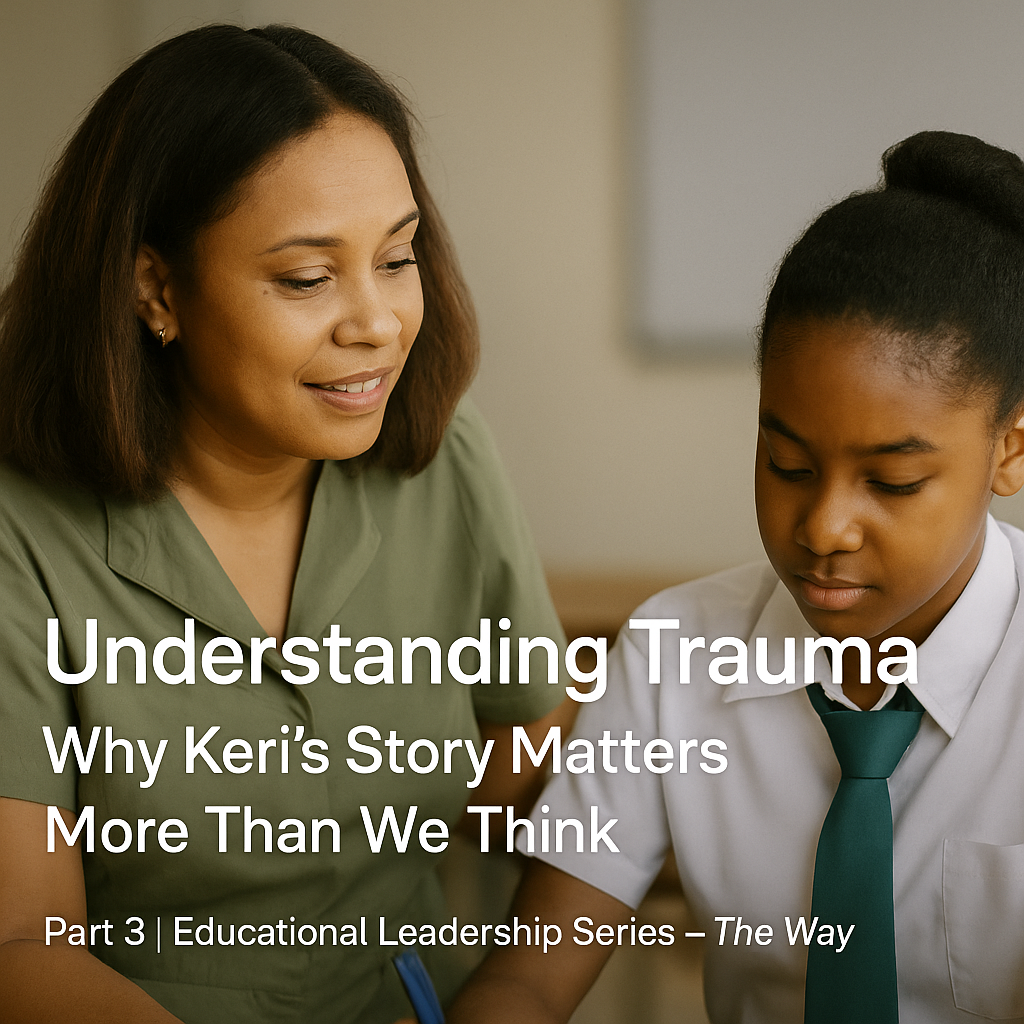
An educator who understands ACEs views learning through a lens of compassion and context:
• Recognize behavior as communication, not defiance.
• Respond with empathy—offering structure, predictability, and safe relationships.
• Collaborate with counselors, social workers, and community partners.
• Rebuild learning environments that integrate social-emotional skills into academics.
When school leaders and policymakers join this effort—investing in teacher training, trauma-sensitive classrooms, and cross-agency collaboration—students like Keri no longer have to fight their battles alone. They can focus on what they came to school for: to learn, to grow, and to dream.
Sources & Further Reading
1. Burke Harris, N. (2014). How Childhood Trauma Affects Health Across a Lifetime. Kaiser Permanente Thriving Schools.
2. Centers for Disease Control and Prevention (CDC). Preventing Adverse Childhood Experiences (ACEs). (2023)
3. National Child Traumatic Stress Network. Creating Trauma-Informed Schools Toolkit.
Written by Dr. Kevin Hall | The Way Blog | Bahamas
